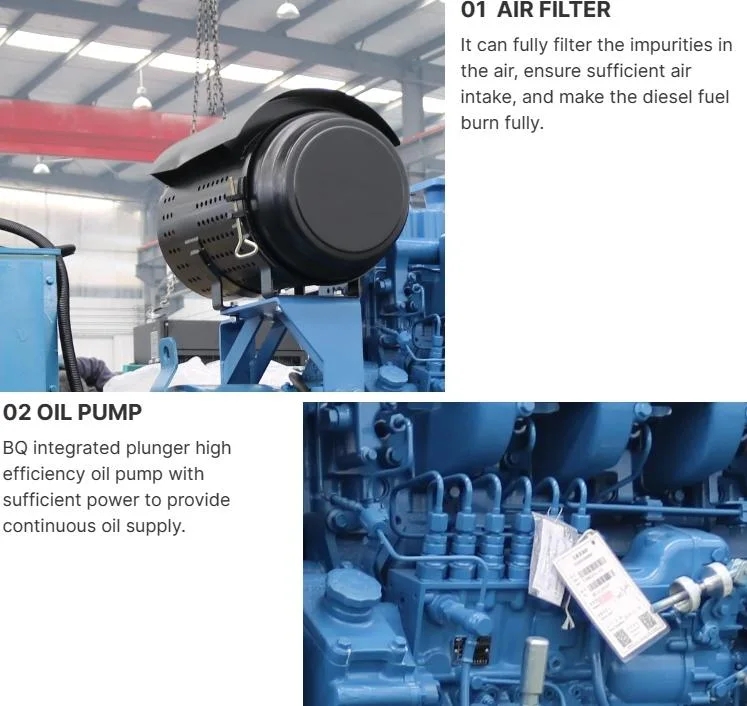
Diesel Generator for Backup Power A Comprehensive Guide
Introduction In today's world, where uninterrupted power supply is a necessity for both residential and commercial settings, backup power solutions play a crucial role in ensuring continuity of operations during power outages. Diesel generators have long been a popular choice for backup power due to their reliability, durability, and cost-effectiveness. In https://www.lkpowerplant.com , we will explore the various aspects of diesel generators for backup power, including their working principle, advantages, applications, maintenance requirements, and environmental impact. Working Principle of Diesel Generators Diesel generators operate on the principle of converting diesel fuel into mechanical energy, which is then transformed into electrical energy through an alternator. The basic components of a diesel generator include a diesel engine, alternator, fuel system, cooling system, exhaust system, and control panel. When the generator is started, the diesel engine ignites the fuel in the combustion chamber, generating mechanical energy that drives the alternator to produce electricity. The electricity generated is then distributed to power electrical appliances and equipment. Advantages of Diesel Generators for Backup Power Diesel generators offer several advantages that make them a popular choice for backup power solutions: 1. Reliability: Diesel generators are known for their reliability and durability, making them suitable for providing backup power during extended power outages. 2. Cost-effectiveness: Diesel fuel is more affordable than gasoline or natural gas, making diesel generators a cost-effective option for backup power. 3. Fuel efficiency: Diesel engines are more fuel-efficient compared to gasoline engines, providing longer run times on a single tank of fuel. 4. Easy maintenance: Diesel generators are relatively easy to maintain and require fewer maintenance checks compared to other types of generators. 5. Wide range of sizes: Diesel generators are available in a wide range of sizes to suit different power requirements, from small residential units to large commercial applications. Applications of Diesel Generators Diesel generators find applications in various settings where reliable backup power is essential. Some common applications include: 1. https://www.lkpowerplant.com/wp-content/uploads/2024/05/5.webp-9.jpg : Diesel generators are used in residential settings to provide backup power during blackouts, ensuring that essential appliances such as refrigerators, lights, and heating systems continue to operate. 2. Commercial and industrial backup power: Diesel generators are commonly used in commercial and industrial settings to power critical equipment, machinery, and systems during power outages, preventing costly downtime and disruptions. 3. Data centers: Data centers rely on diesel generators to provide backup power to servers and equipment to prevent data loss and ensure uninterrupted operations. 4. Hospitals and healthcare facilities: Diesel generators are crucial in healthcare settings to power life-saving equipment, lighting, and climate control systems during emergencies. 5. Telecommunications: Telecommunications infrastructure depends on diesel generators to maintain connectivity and communication services during power outages. Maintenance Requirements for Diesel Generators Proper maintenance is essential to ensure the reliable performance of diesel generators for backup power. useful reference include: 1. Regular inspections: Conduct routine visual inspections of the generator components, including the engine, alternator, fuel system, cooling system, and exhaust system, to check for any signs of wear or damage. 2. Fuel quality: Use high-quality diesel fuel and ensure that the fuel storage tank is clean and free from contaminants to prevent fuel system issues. 3. Oil and filter changes: Regularly change the engine oil and filters as per the manufacturer's recommendations to maintain optimal engine performance and longevity. 4. Battery maintenance: Check the battery condition, connections, and electrolyte levels regularly to ensure proper starting and operation of the generator.  5. Load testing: Periodically conduct load tests on the generator to ensure that it can handle the required electrical load during a power outage. Environmental Impact of Diesel Generators While diesel generators offer reliable backup power, they are also associated with environmental concerns due to their emissions and fuel consumption. Diesel generators emit pollutants such as nitrogen oxides (NOx), particulate matter, and sulfur dioxide, which contribute to air pollution and respiratory problems. To mitigate the environmental impact of diesel generators, it is essential to: 1. Use low-sulfur diesel fuel: Opt for low-sulfur diesel fuel to reduce sulfur dioxide emissions and lessen the environmental impact of the generator. 2. Invest in emission control technologies: Consider installing emission control devices such as diesel particulate filters and selective catalytic reduction systems to reduce harmful emissions from the generator. 3. Proper maintenance: Regular maintenance of the diesel generator can ensure optimal performance and fuel efficiency, reducing emissions and environmental impact. 4. Consider alternative power sources: Explore alternative power sources such as solar panels, wind turbines, or battery storage systems to supplement or replace diesel generators in environmentally sensitive areas. Conclusion Diesel generators are a reliable and cost-effective solution for backup power in a wide range of applications, from residential to commercial and industrial settings. Understanding the working principle, advantages, applications, maintenance requirements, and environmental impact of diesel generators is essential for making informed decisions when selecting a backup power solution. By following proper maintenance practices and considering environmental factors, diesel generators can continue to serve as a dependable source of backup power while minimizing their impact on the environment.